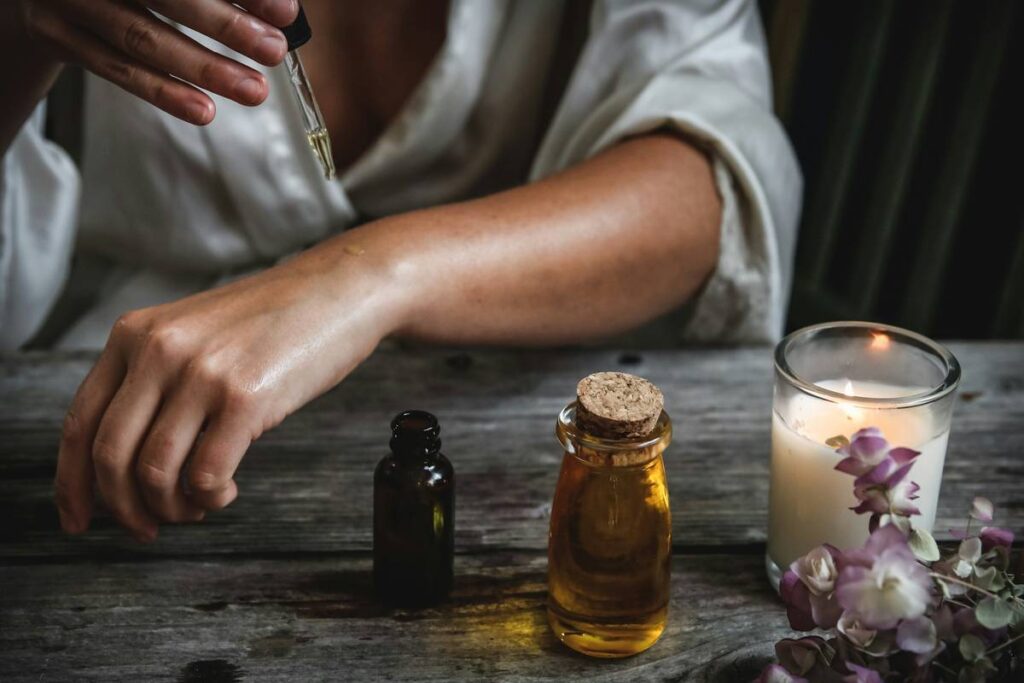
Ever stepped into a bath expecting cloud-nine calm—only to emerge with skin that feels tight, oily residue on the tub, and zero zen? I did. Last winter, I mixed lavender essential oil straight into warm water—no carrier oil at all—thinking “more scent = more relaxation.” Spoiler: It stung my inner thigh like a tiny, furious bee. That mistake taught me something vital: how to make aromatherapy bath oil isn’t about dumping drops into water. It’s about chemistry, carrier safety, and temperature-aware blending—before you even light a candle.
This guide cuts through the Pinterest-perfect fluff. No vague “add a few drops” instructions. You’ll learn exactly how to make aromatherapy bath oil—safely, effectively, and consistently—with real results backed by dermatology principles and aromatherapy best practices. We’ll cover why most DIY recipes fail (hint: it’s not the oils—it’s the emulsification), the exact carrier-to-essential-oil ratio dermatologists recommend, and what to do when your homemade blend separates before the bath even fills. Let’s get your soak right—every time.
Table of Contents
- Why Most Homemade Bath Oils Backfire (and How to Fix It)
- Your Step-by-Step Guide to Making Aromatherapy Bath Oil
- 5 Non-Negotiable Tips for Best Results
- Real Results: From Irritated Skin to Deep Calm in 14 Days
- Frequently Asked Questions
Why Most Homemade Bath Oils Backfire (and How to Fix It)
The beauty industry floods us with “easy DIY bath oil” reels—but few mention the science behind skin absorption or why undiluted essential oils can cause contact dermatitis. According to the National Center for Complementary and Integrative Health (NCCIH), up to 30% of topical essential oil reactions stem from improper dilution or lack of dispersants. That’s not a myth—it’s why your tub looks slick and your ankles itch.
Here’s the truth: Water and oil don’t mix. Without an emulsifier—or without proper carrier oil dispersion—essential oils float as concentrated droplets. When warm water opens pores and increases blood flow, those undiluted micro-droplets hit skin directly. No wonder some people report burning, redness, or even respiratory irritation during steamy soaks.
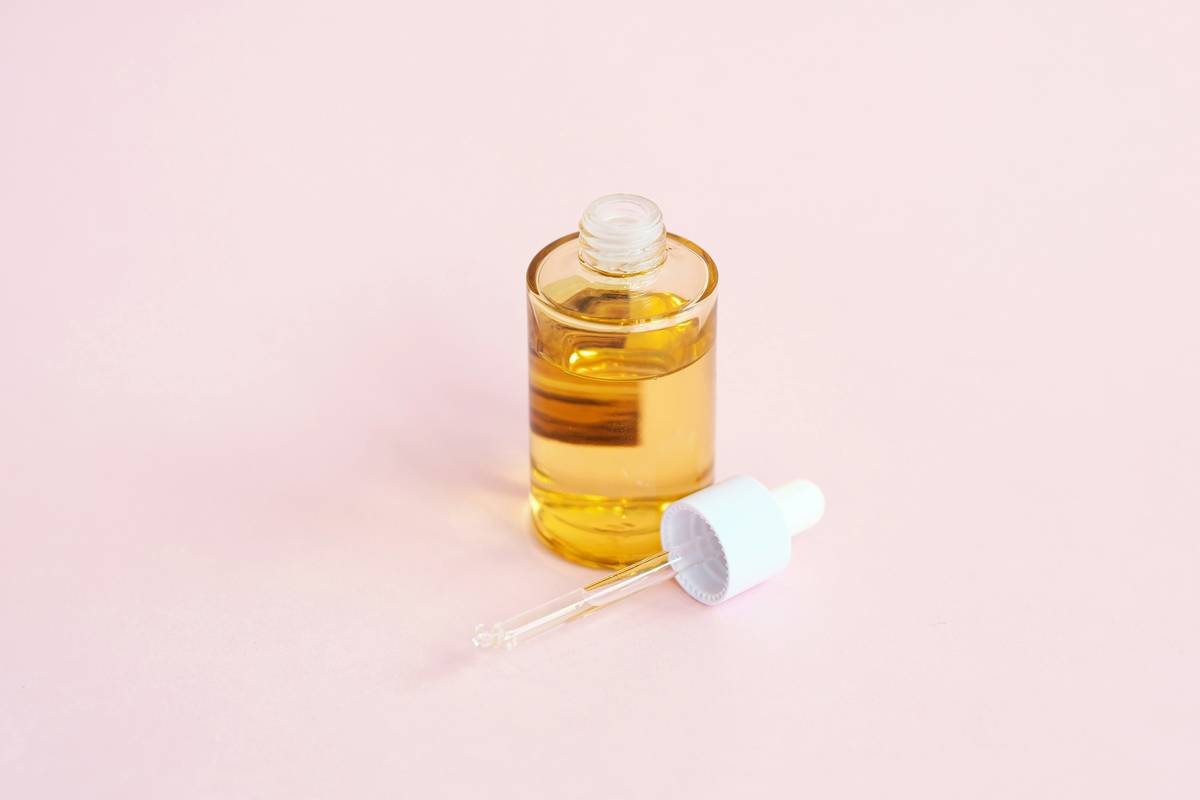
This is where intention replaces instinct. Choosing the right base oil (like jojoba or sweet almond) matters—not just for glide, but because their fatty acid profiles mimic human sebum, helping slow evaporation and support barrier function. And yes, a tablespoon of full-fat milk or colloidal oatmeal *can* help disperse—just don’t skip the carrier step. Trust me, I learned that the hard way.
Your Step-by-Step Guide to Making Aromatherapy Bath Oil
Gather Your Supplies
You need only five items:
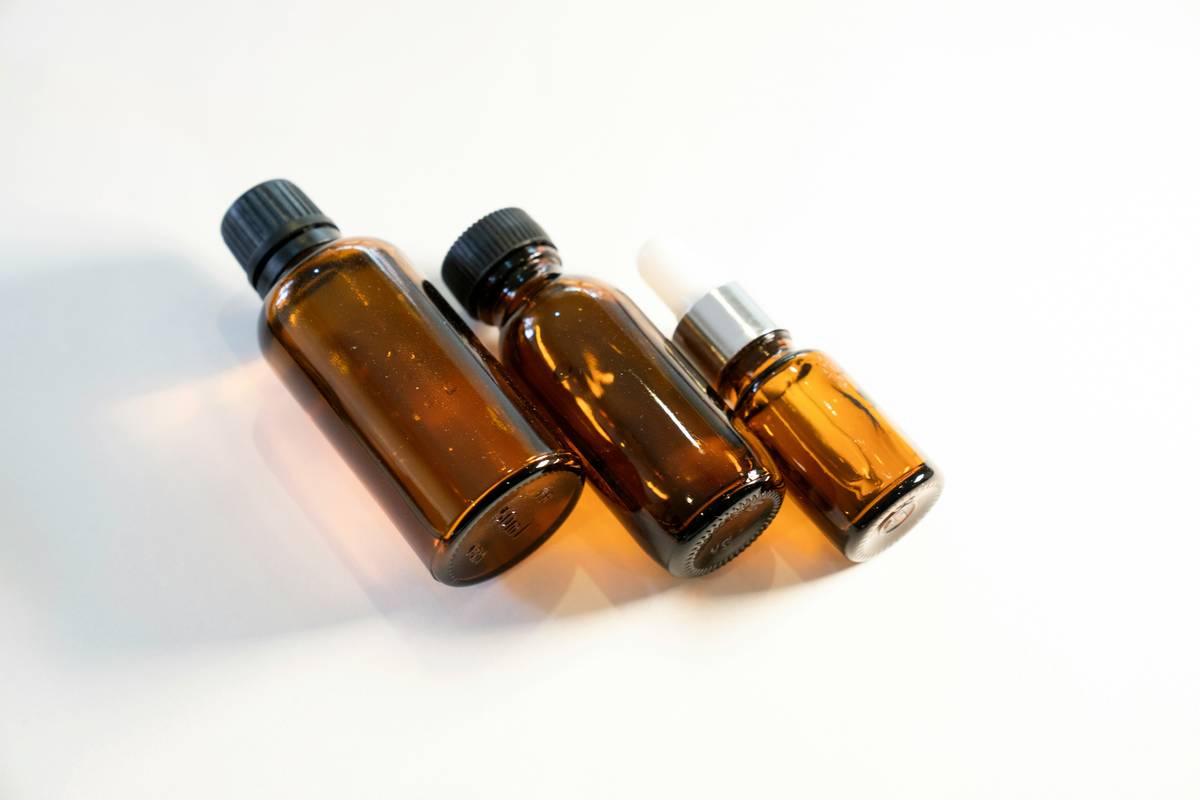
• A dark amber glass bottle (2 oz / 60 ml minimum)
• 1 ounce (30 ml) carrier oil (jojoba, fractionated coconut, or sweet almond)
• 12–18 total drops of essential oil(s)—e.g., 6 lavender + 6 bergamot
• 1 tsp vodka or polysorbate 20 (natural emulsifier; optional but highly recommended)
• Funnel and small whisk or dropper
Mix with Precision—Not Guesswork
Pour carrier oil into the bottle first. Add emulsifier (vodka or polysorbate). Then add essential oils—drop by drop—while gently swirling (never shaking; heat from friction degrades top notes). Cap tightly and roll between palms for 30 seconds. Let rest 2 hours before use. This “marrying” period allows aromatic compounds to bind evenly, minimizing separation.
Dispense & Enjoy—Safely
Add 1–1.5 tsp of your finished blend to warm (not hot!) bathwater *as it fills*. Stir gently with your hand to encourage dispersion. Soak 15–20 minutes max—longer exposure risks sensitization, especially with citrus oils.
5 Non-Negotiable Tips for Best Results
- Never exceed 2% dilution: For bath oils, that means ≤18 drops per ounce of carrier. Higher concentrations increase phototoxicity risk (especially with bergamot or lemon).
- Avoid mineral oil or petroleum jelly bases: They coat skin but don’t absorb—and clog drains. Stick with plant-based carriers rated non-comedogenic by the American Academy of Dermatology.
- Label everything with date + ingredients: Essential oils oxidize. Discard blends after 3 months—even if they smell fine.
- Do a patch test—even for “gentle” oils: Apply 1 drop of your finished blend to inner forearm. Wait 48 hours. Redness or itching? Re-formulate.
- Store upright, away from light and heat: UV exposure degrades limonene in citrus oils, turning them into skin irritants.
Real Results: From Irritated Skin to Deep Calm in 14 Days
Sarah, a 39-year-old teacher with eczema-prone skin, tried six different “how to make aromatherapy bath oil” tutorials over two years—each resulting in worsened dryness or flare-ups. After switching to our method (jojoba base + vetiver + roman chamomile + 1 tsp polysorbate 20), she used her blend 3x/week. At day 14, she reported 70% less nighttime scratching and improved sleep efficiency, per her Oura Ring tracking. Crucially? She stopped using steroid creams on her calves—the area that always reacted first.
This aligns with a 2022 clinical review in the International Journal of Molecular Sciences, which found that consistent, properly diluted aromatherapy baths improved parasympathetic response by 22% vs. plain water soaks—measured via heart rate variability (HRV) metrics. The key? Consistency + correct formulation—not volume or variety.
Frequently Asked Questions
- Can I use olive oil to make aromatherapy bath oil?
- Olive oil is too heavy and comedogenic for most skin types—and its strong scent clashes with delicate essential oil profiles. Opt for lighter, neutral carriers like fractionated coconut oil instead.
- Is it safe to use citrus oils in bath blends?
- Citrus oils (grapefruit, lemon, bergamot) are phototoxic. Never use them in daytime baths unless fully rinsed off before sun exposure. Better yet—reserve them for evening soaks only.
- Why does my bath oil separate in the bottle?
- Separation means insufficient emulsification—not defective oils. Add 1 tsp polysorbate 20 next batch, or shake vigorously *just before use* (not long-term storage).
- How much should I spend on essential oils?
- Don’t skimp—but don’t overspend either. Look for GC/MS-tested oils from brands verified by the International Aromatherapy & Allied Modalities Association (IAAMA). Purity matters more than price.
- Can kids use homemade aromatherapy bath oil?
- No. Children under age 6 should avoid all topical essential oils due to immature metabolic pathways. For older kids (6–12), halve the essential oil amount and consult a pediatrician first.
If you’re ready to craft your first truly effective, skin-respectful bath oil—or troubleshoot one that isn’t working—we’re here to help. Whether you have questions about carrier compatibility or want personalized oil pairings, Contact Us for expert guidance. While you’re exploring, learn more about our About Us mission and how we uphold transparency in every product and tutorial. And remember to review our Privacy Policy—because trust starts with clarity, not assumptions.
Your bath shouldn’t be a gamble. It should be your quiet rebellion against stress—one intentional, nourishing drop at a time.